
acid etched mirror glass
Three Types of Micrometers A Comprehensive Overview Micrometers are precision measuring instruments that are essential in various fields, including engineering, manufacturing, and science. They are primarily used to measure small distances with high accuracy, making them indispensable in the production of machinery and intricate components. Although there are several types of micrometers, three primary types are widely recognized the outside micrometer, the inside micrometer, and the depth micrometer. Each type serves a unique purpose and is tailored to specific measuring needs. 1. Outside Micrometer The outside micrometer is the most commonly used type of micrometer, designed to measure the external dimensions of an object. It typically consists of a frame, an anvil, a spindle, and a thimble. The object is placed between the anvil and the spindle, which is then adjusted by turning the thimble until it makes contact with the object. The measurement is read from a scale on the sleeve and a graduated circular scale on the thimble, allowing for precise readings down to one-thousandth of a millimeter or finer. Outside micrometers are widely used in fields such as mechanical engineering, where accuracy is crucial for the proper fitting of parts in assemblies. One of the key advantages of outside micrometers is their versatility; they come in different sizes to measure various ranges. For instance, there are 0-25 mm, 25-50 mm, and 50-75 mm micrometers, among others. Beyond standard models, digital outside micrometers are also available, offering the convenience of electronic measuring and display functions that simplify reading and recording measurements. 2. Inside Micrometer While outside micrometers measure the external dimensions, inside micrometers are used for measuring internal dimensions, such as the diameter of holes or the spacing between two surfaces. An inside micrometer typically consists of a set of rods and a micrometer head. The rods can be adjusted to reach the desired depth or width, and the micrometer head functions similarly to that of the outside micrometer, with a thimble and a graduational scale for accurate readings. three types of micrometers Inside micrometers are particularly important in applications where precision is critical, such as in the fitting of bearings or seal arrangements. They come in various types and lengths, with some offering interchangeable rods for extended measuring capabilities. Just as with outside micrometers, digital options are also available, providing improved ease of use and enhanced accuracy. 3. Depth Micrometer The depth micrometer is specifically designed to measure depths, such as the depth of slots, grooves, or holes. This type of micrometer features a flat measuring base and a depth rod that extends downward from the measuring head. To take a reading, the base is placed flat against the surface, and the depth rod is lowered into the hole or groove until it makes contact with the bottom. The measurement is then taken using the same mechanism as the other micrometers. Depth micrometers are crucial in various fields, including machining and woodworking, where understanding the depth of cuts is essential for product integrity and functionality. Like other types, depth micrometers are also available in digital formats, which enhance the convenience and accuracy of measurements for users. Conclusion In conclusion, micrometers are vital tools in precise measurement across numerous industries. The outside micrometer, inside micrometer, and depth micrometer each serve distinct purposes, allowing for the accurate measurement of external sizes, internal diameters, and depths, respectively. Whether utilizing traditional analog models or modern digital designs, these instruments provide the precision that professionals rely on to ensure quality and accuracy in their work. Understanding the differences and specific applications of these three types of micrometers can greatly enhance one’s measuring capabilities and contribute to successful project outcomes.
about
acid etched mirror glass
The Revolution in Construction Embracing Plastic Rebar Supports In the ever-evolving world of construction, innovative materials and techniques are constantly reshaping the industry. One such game-changer is the introduction of plastic rebar supports, an eco-friendly and cost-effective alternative to traditional steel rebars. This technological advancement not only offers improved durability but also paves the way for sustainable building practices. Plastic rebar, also known as polymer reinforced concrete (PRC), is a cutting-edge material that has been gaining traction due to its numerous benefits. Made primarily from high-density polyethylene (HDPE) or recycled plastic, it is designed to mimic the shape and function of conventional steel rebars. However, unlike steel, plastic rebar does not corrode, making it particularly suitable for marine or corrosive environments where rust can compromise the integrity of structures over time. The resistance to corrosion is just one of the many advantages of plastic rebar. It is also lighter in weight, reducing handling and transportation costs, and easing the installation process. This can lead to significant time savings on construction sites, thereby boosting productivity. Moreover, its non-conductive nature enhances safety, as it eliminates the risk of electrical accidents that can occur with metal rebars. Furthermore, plastic rebar supports have excellent thermal stability, which can help mitigate temperature-induced stress on structures. They also exhibit superior impact resistance and flexibility, allowing them to withstand earthquakes and other natural disasters better than their steel counterparts They also exhibit superior impact resistance and flexibility, allowing them to withstand earthquakes and other natural disasters better than their steel counterparts They also exhibit superior impact resistance and flexibility, allowing them to withstand earthquakes and other natural disasters better than their steel counterparts They also exhibit superior impact resistance and flexibility, allowing them to withstand earthquakes and other natural disasters better than their steel counterparts plastic rebar supports . In addition, the use of recycled plastics in their manufacture contributes to waste reduction and environmental sustainability. However, the adoption of plastic rebar is not without challenges. While it has shown comparable strength to steel in some tests, more extensive research is needed to fully understand its long-term performance under various load conditions. Additionally, the initial cost of plastic rebar is often higher than steel, although the reduced maintenance and longevity can offset this in the long run. Despite these hurdles, the potential of plastic rebar in revolutionizing construction is undeniable. As the industry continues to prioritize green solutions and sustainable practices, plastic rebar supports are likely to play a pivotal role. With ongoing advancements in material science, we can expect further improvements in the properties and applications of this innovative material, ultimately leading to more durable, efficient, and environmentally responsible construction projects. In conclusion, plastic rebar supports represent a promising shift towards a more sustainable future in construction. As we strive for a balance between progress and environmental preservation, embracing such alternatives becomes essential. The journey may be challenging, but the rewards – in terms of enhanced structural integrity, reduced carbon footprint, and increased efficiency – are well worth the effort.
-

High quality industrial productsagement

High quality industrial products
View Details -

Meet the diverse needs of customers

Meet the diverse needs of customers
View Details -

Strict quality control

Strict quality control
View Details -

Top raw materials

Top raw materials
View Details -

Trusted supplier

Trusted supplier
View Details
Our application

news and information
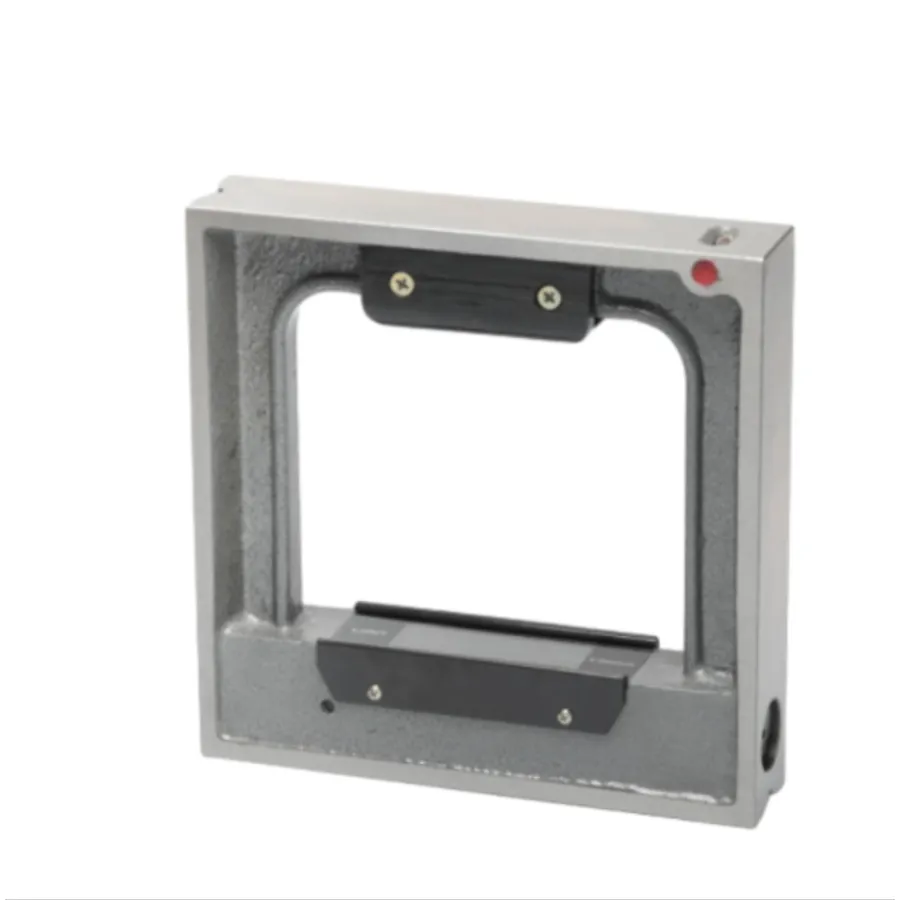
Using a Level to Create Accurate Markings on a Ruler
marking ruler with spirit level .

Valve tipleri
Valf Tipleri Endüstriyel Uygulamaların Temel Taşı Valfler, endüstriyel sistemlerin vazgeçilmez parça

Welding Tables_ The Essential Tool for Precision and Durability
A welding table is a must-have for anyone involved in metalworking or fabrication. When it comes to
 English